
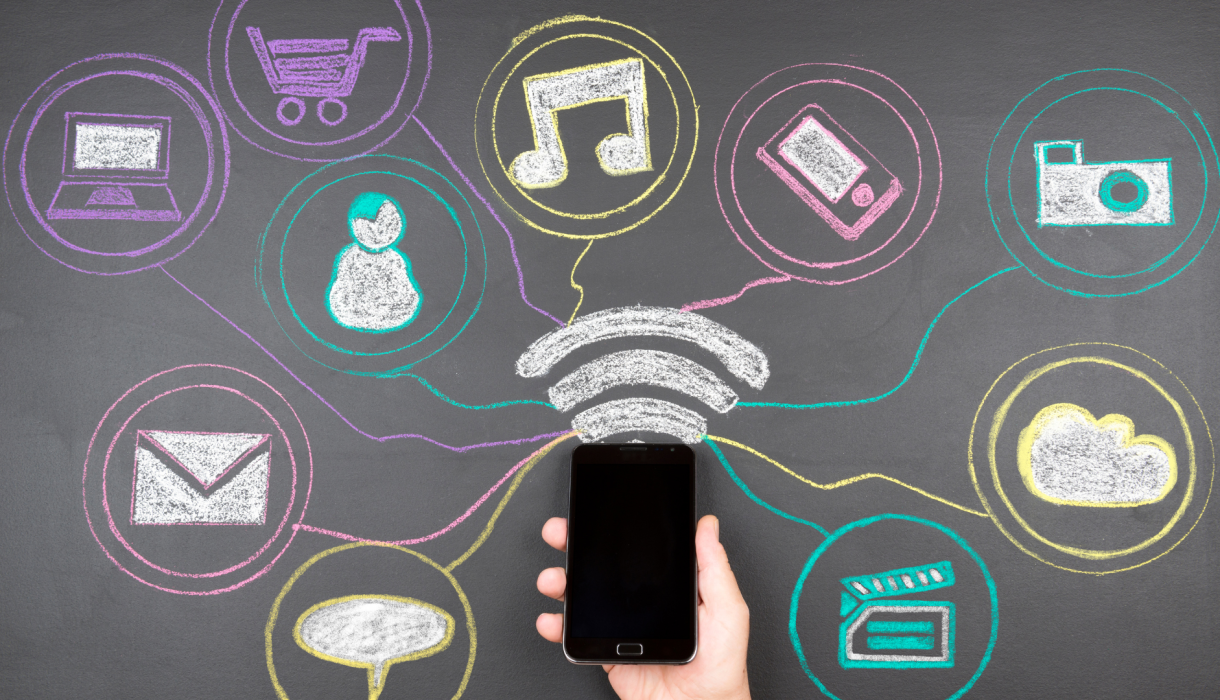

Social media has profoundly transformed how we communicate, share information, and perceive the world. While it offers numerous benefits, such as connecting people across distances and providing platforms for self-expression, it also poses significant challenges to mental health. Understanding social media’s positive and negative effects is crucial for mindfully navigating the digital age.
Positive Effects of Social Media Social media facilitates connections, allowing users to maintain relationships and build communities regardless of geographical barriers. It can offer social support, foster engagement in shared interests, and provide a sense of belonging. For individuals with disabilities or those who are socially isolated, social media can be an invaluable tool for finding and connecting with supportive networks.
Additionally, social media platforms can be a source of inspiration and motivation. Many users find encouragement through positive content related to health, personal growth, and professional development. Platforms can also serve as educational resources, offering access to diverse perspectives and knowledge.
Adverse Effects of Social Media Despite these advantages, research links social media to several adverse mental health outcomes. One primary concern is the idealised self-presentation on platforms such as Instagram. Users often curate their profiles to highlight some parts of their lives—more often than not—only the positive aspects of their lives, creating an unrealistic portrayal of success and happiness. This display of an idealised self can lead to social comparison, where individuals feel inadequate or envious, impacting self-esteem and mental well-being.
Social media algorithms contribute to echo chambers by tailoring content to user preferences. This customisation can reinforce existing beliefs and limit exposure to diverse viewpoints. Inadvertently, this can promote intolerance and exacerbate polarisation, as users are repeatedly exposed to content that aligns with their biases.
Moreover, the constant influx of curated content and notifications can lead to information overload and heightened stress. The pressure to remain constantly engaged and the fear of missing out (FOMO) can contribute to anxiety and reduced life satisfaction.
Navigating Social Media Mindfully To mitigate these potential harms, adopting mindful social media practices is essential:
- Set Boundaries: Limit the time spent on social media and schedule specific times for checking your accounts. This boundary helps prevent excessive exposure and reduces the risk of burnout.
- Manage Your Feed: Follow accounts that contribute positively to your well-being and unfollow or mute those that cause stress or negative feelings. Actively seek out diverse perspectives to counteract algorithmic echo chambers.
- Practice Self-Awareness: Be aware of how social media affects your mood and self-esteem. Note any feelings of inadequacy or anxiety, and consider taking breaks from social media if needed.
- Engage Authentically: Focus on meaningful interactions rather than accumulating likes or followers. Engage in genuine and supportive conversations.
- Promote Offline Connections: Balance online interactions with real-life relationships and activities. Engaging in face-to-face interactions and offline hobbies can enhance overall well-being and reduce reliance on digital validation.
By understanding social media’s dual impact on mental health and implementing mindful usage strategies, individuals can better navigate the digital landscape and foster a healthier relationship with technology.


